
What Is Hot Pilates?
THE ULTIMATE GUIDE TO THE HEAT-DRIVEN WORKOUT
Key Takeaways
- Definition: Hot Pilates is a low-impact, high-intensity workout performed in 85–95°F heat tailored to strengthen the core and tone muscles.
- Main Benefit: The heat increases heart rate for higher aerobic load and facilitates deeper stretching.
- Difference: Unlike other heated workouts like Bikram Yoga, Hot Pilates is often dynamic, involving HIIT elements and upbeat music.
Imagine the sculpting precision of traditional Pilates collided with the detoxifying sweat of a sauna session.
That, in essence, is Hot Pilates—an exciting fitness trend that is quickly becoming a global staple for those seeking low-impact, high-reward training.
Table of Contents
What Is Hot Pilates?
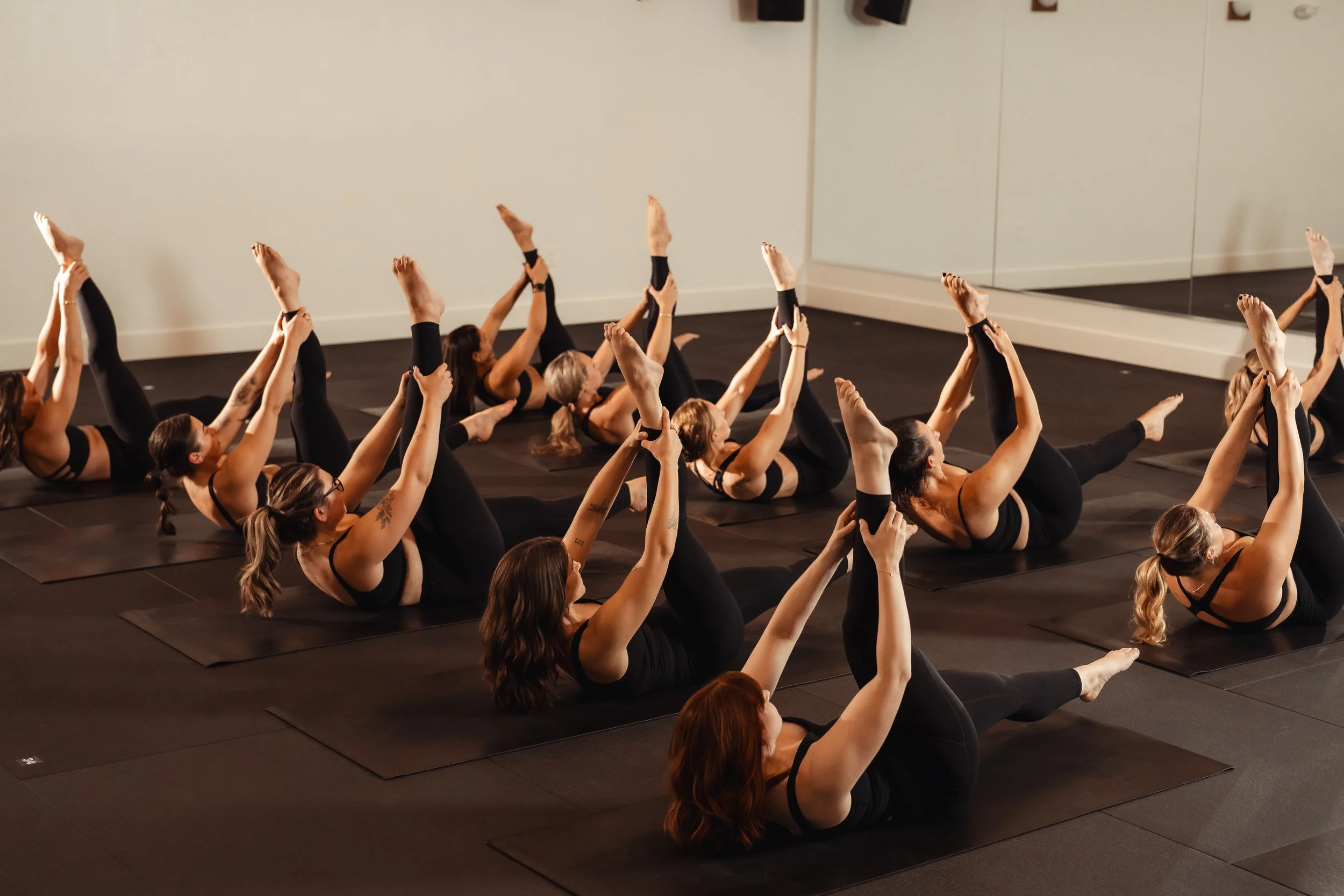
Hot Pilates is a low-impact, high-intensity mat workout performed in a heated studio—typically at 95°F—designed to build core strength, improve mobility, and elevate cardiovascular endurance without placing excessive strain on the joints.
At its foundation, Hot Pilates is rooted in contemporary Pilates principles: controlled movement, breath awareness, core engagement, and precise muscle activation. What sets it apart is the addition of heat and athletic pacing, which transforms the experience from a traditional strength session into a full-body, sweat-driven workout.
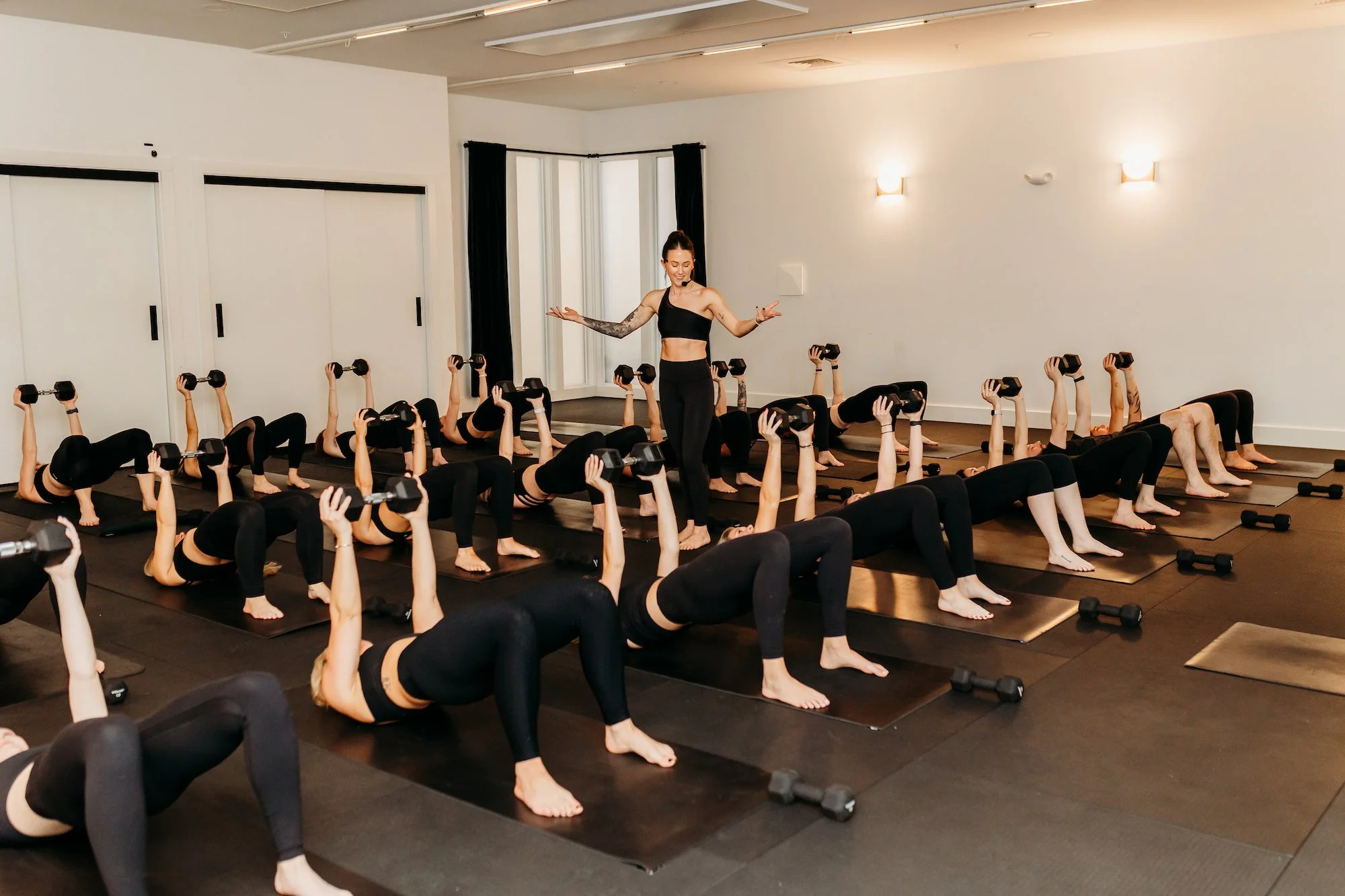
Most Hot Pilates classes are mat-based, meaning movements are performed on the floor using your own body weight for resistance. Some classes incorporate light props to increase intensity and muscle engagement, such as:
A Pilates ring
Resistance bands
Hand weights
Ankle weights
Unlike reformer Pilates, which uses specialized equipment, Hot Pilates focuses on functional strength, endurance, and stability that carry over into everyday movement and athletic performance.
While every studio programs Hot Pilates a little differently, many classes blend Pilates-inspired strength work with interval-style sequencing. Expect intentional bursts of higher intensity followed by controlled recovery moments, all set to energizing music that keeps the class moving and your heart rate elevated.
The heated environment plays a crucial role. Heat helps warm muscles more quickly, allowing for a greater range of motion and deeper engagement during strength work. At the same time, it challenges your cardiovascular system, creating a workout that feels both strengthening and metabolically demanding without the high impact of running or jumping.
Hot Pilates sits at the intersection of strength training, low-impact cardio, and mindful movement. It’s designed for people who want to feel stronger, more connected to their bodies, and thoroughly worked, while still honoring joint health and long-term sustainability.
The Science Behind Hot Pilates
Hot Pilates isn’t just Pilates in a warmer room. The heat fundamentally changes how your body responds to the movements mechanically, metabolically, and cardiovascularly. Understanding what’s happening under the surface helps explain why the workout feels so effective (and why it’s important to approach it with intention).
How Heat Impacts the Body During Exercise
When you exercise in a heated environment, your body has to manage two simultaneous demands: powering muscular movement and regulating internal temperature. This dual effort is what makes Hot Pilates feel challenging in a different way than room-temperature workouts
Here’s how heat plays a role:
1. Your muscles warm up faster
Heat increases blood flow, which helps muscles loosen more quickly. That means your body is primed for movement earlier in class, allowing for smoother transitions, deeper stretches, and stronger muscle engagement right from the start. Many people notice the heat helps them feel less stiff and more mobile, especially through notoriously tight areas like the hips, hamstrings, and lower back.
2. Your heart rate climbs—no impact necessary
In a heated room, your heart works harder to keep your body cool while also fueling your muscles. Even controlled, low-impact movements can feel cardiovascular because your body is doing double duty.
This is why Hot Pilates can deliver a serious sweat session without jumping, pounding, or stressing your joints. You get the intensity without the wear and tear.
3. Heat increases overall training demand
Exercising in a warm environment adds an additional layer of physiological stress because your body is managing muscular effort and temperature regulation at the same time.
When Hot Pilates includes interval-style sequencing or sustained time under tension, that combination can feel deeply challenging, even when movements remain controlled and low-impact.
Sweat itself isn’t the goal. The real benefit comes from how your body adapts to working under those layered demands.
Why Heat Requires Mindful Programming
Heat amplifies everything, for better or worse. Thoughtfully designed Hot Pilates classes balance intensity with recovery, cue hydration and breath awareness, and prioritize form over speed.
This is why studio temperature, class pacing, and instructor cueing matter just as much as the exercises themselves. When programmed well, heat enhances strength, endurance, and focus. When rushed or overdone, it can lead to fatigue without benefit.
That balance is what separates a smart, sustainable Hot Pilates practice from a workout that simply leaves you feeling drained.
Infrared vs. HVAC Heat
Not all hot studios feel the same, and the heating system is a big reason why. Some studios rely on traditional HVAC heat, while others use infrared heat. Both raise the temperature, but they do it in different ways, which can affect how the class feels and how your body responds.
Traditional HVAC Heating
What it is:
HVAC heat warms the air around you—similar to blasting the heat in your car or home.
How it feels in class:
This type of heat can feel thicker or more “stuffy,” especially once the room fills with people. Since it warms the air first, your body may take a little longer to feel fully heated.
Why some people like it:
- The heat feels straightforward and familiar
- The room warms evenly over time
- It’s a classic “hot studio” experience
Things to know:
- Some people find it harder to breathe in, especially if the room gets humid
- You may sweat heavily, but it can feel more like “hot air” than deep warmth
Infrared Heating
What it is:
Infrared heat warms your body directly—more like stepping into sunlight (without UV). Instead of heating the air first, infrared waves warm objects in the room, including you.
How it feels in class:
Many people describe infrared as a cleaner, more comfortable heat—still intense, but less suffocating. You may feel like you’re warming from the inside, even if the air doesn’t feel quite as heavy.
Why some people like it:
- The heat can feel more breathable and less stifling
- Muscles may feel warm and ready to move faster
- It often creates that deep heat sensation people associate with recovery
Things to know:
- You’ll still sweat (a lot), but it can feel different than hot-air heat
- Hydration still matters just as much—in fact, sometimes more so because it can sneak up on you
If you’ve tried a hot class before and loved the workout but found the air stifling, infrared may feel more comfortable. If you like a classic hot-room intensity where the air itself feels heated, HVAC heat may feel more familiar.
Either way, the best choice is the one that helps you stay consistent because you actually enjoy showing up.
Hot Pilates vs. Other Workouts
If you already work out consistently or are ready to start a new routine, you might wonder how Hot Pilates compares to other popular workouts.
Hot Pilates vs. Traditional Pilates
Traditional mat or reformer Pilates focuses on precision, alignment, and controlled strength, usually in a room-temperature environment. It’s excellent for building core strength, improving posture, and enhancing body awareness.
Hot Pilates builds on those same principles but adds:
- Heat, which increases cardiovascular demand
- Faster pacing or interval-style sequencing
- A sweat-driven, more athletic feel
If traditional Pilates feels too slow or subtle for your taste, Hot Pilates offers a more intense experience while still honoring Pilates principles.
Hot Pilates vs. Hot Yoga
Hot yoga tends to emphasize flexibility, balance, and breath, often through longer holds and flowing sequences. The mental and mindfulness component is central, and strength gains come more gradually.
Hot Pilates is more strength and endurance-forward. You’ll spend more time:
- Engaging the core under fatigue
- Repeating targeted strength patterns
- Moving with athletic intention
If you love the heat of hot yoga but want more muscle engagement and conditioning, Hot Pilates can feel like a natural next step.
Hot Pilates vs. Yoga Sculpt
Yoga Sculpt blends yoga-inspired movement with weights and cardio bursts, often in a heated room. It’s dynamic, energetic, and strength-focused.
Compared to Yoga Sculpt, Hot Pilates typically:
- Uses more mat-based, floor-focused work
- Emphasizes deep core and stabilizer muscles
- Feels more controlled than high-energy formats
Both are great workouts, so choosing between the two often comes down to whether you prefer flow and weights (Yoga Sculpt) or precision and endurance (Hot Pilates).
Hot Pilates vs. HIIT or Bootcamp Classes
Traditional HIIT or bootcamp workouts rely heavily on jumping, sprinting, and explosive movements. They’re effective—but can be hard on joints and difficult to sustain long-term.
Hot Pilates delivers intensity differently:
- Elevated heart rate without high impact
- Time under tension rather than speed
- A focus on form, not competition
For people who want intensity without pounding, Hot Pilates can feel like a smarter, more sustainable option.
Hot Pilates vs. Strength Training
Lifting weights builds power and muscle mass efficiently, especially with progressive overload. Hot Pilates won’t replace heavy lifting, but it’s an excellent way to complement a strength routine.
Hot Pilates helps by:
- Strengthening stabilizer muscles
- Improving mobility and range of motion
- Supporting better lifting form and recovery
Many people use Hot Pilates on rest days or between lifting sessions to stay active while giving joints a break.
Ultimately, Hot Pilates isn’t meant to replace every workout, but to round out your routine. It sits at the intersection of strength, low-impact cardio, and mindful movement, making it especially appealing for people who want results and longevity.
The best workout is the one you’ll return to consistently. For many, Hot Pilates strikes that balance between challenge and sustainability.
| FEATURE | HOT PILATES | HOT YOGA | YOGA SCULPT |
|---|---|---|---|
| Primary Focus | Core strength, endurance, stability | Flexibility, balance, breath | Strength, cardio, flow |
| Class Pace | Controlled but athletic | Slow to moderate | Fast-paced, high energy |
| Strength Training | Bodyweight, light weights, deep core & stabilizers | Bodyweight | Weights and resistance |
| Cardio Element | Moderate-high | Low-moderate | High |
| Impact Level | Low-impact | Low-impact | Low-moderate |
| Temperature | 85–90°F | 90–95°F | 85–90°F |
| Atmosphere | Upbeat, motivating | Minimal or instructor-led | High-energy, beat-driven |
| Best For | People who want intensity without impact | People seeking flexibility and focus | People who want sweat and strength |
Is Hot Pilates Right for You?
Hot Pilates isn’t right for everyone—and that’s okay. The combination of heat, strength work, and sustained movement can feel empowering for some people and intimidating for others, especially if it’s your first experience in a heated studio.
Hot Pilates can work for a wide range of bodies, fitness levels, and goals, but how it works for you depends on what you’re bringing into the room: your experience level, your relationship with heat, and what you want out of your workouts.
Some people love Hot Pilates because it delivers intensity without impact. Others appreciate the way it builds strength and mobility while still feeling athletic and energizing. And for many, it’s the mental challenge of staying present, pacing yourself, and listening to your body that becomes just as rewarding as the physical results.
Before booking your first class, it helps to understand who tends to thrive in Hot Pilates, who may need extra modifications or preparation, and how to decide whether it aligns with your goals right now.
Hot Pilates for Beginners
Yes, Hot Pilates can be beginner-friendly. But it’s important to define what “beginner” actually means here.
You don’t need Pilates experience, a six-pack, or a matching set to start Hot Pilates. What does help is a willingness to move with intention, take breaks when needed, and let go of the idea that you need to keep up with anyone else in the room.
For first-timers, the biggest adjustment is usually the heat, not the exercises themselves. Even familiar movements can feel more challenging when your heart rate rises faster, and sweat builds quickly. That’s normal. Your body is adapting to a new environment, and that adaptation gets easier with consistency.
Most beginner-friendly Hot Pilates classes emphasize:
Clear instructor cueing and form guidance
Modifications for strength and range of motion
Opportunities to rest without judgment
Steady pacing that builds gradually throughout class
If you’re new, it’s smart to treat your first few classes as learning experiences rather than performance tests. Take breaks. Drink water. Skip a rep or slow your pace if your form starts to slip. Lying down for a moment is not failing or giving up, but listening to your body.
A helpful rule of thumb: if you can breathe steadily and stay aware of your movement, you’re doing it right. Hot Pilates shouldn’t feel like pushing through discomfort at all costs, but it should feel like you’re building strength and confidence over time.
Many beginners find that after just a few classes, their endurance improves, the heat feels more manageable, and movements that once felt intimidating start to feel surprisingly doable.
Hot Pilates for Active & Athletic People
If you already run, lift, cycle, or train regularly, Hot Pilates can feel deceptively challenging in the best way. It doesn’t replace your primary sport or strength routine, but it can make you better at it.
Hot Pilates targets the deep stabilizing muscles that often get overlooked in high-impact or heavy-load training. Think core, hips, glutes, and postural muscles—the ones that support power, balance, and efficient movement. Strengthening these areas can improve performance while helping reduce the risk of overuse injuries.
For athletes and fitness enthusiasts, Hot Pilates offers several standout benefits:
Low-impact conditioning that gives joints and connective tissue a break
Core endurance that supports better form across all movement
Mobility and control without aggressive strengthening
Cardiovascular challenge without repetitive pounding
The heat adds an extra layer. Muscles warm faster, movement feels more fluid, and your heart rate climbs quickly even during controlled, strength-focused work. That combination makes Hot Pilates a powerful cross-training option on recovery days or between high-intensity sessions.
Many runners, cyclists, and strength athletes use Hot Pilates to:
Improve stability and balance
Address asymmetries between sides
Build endurance in smaller muscle groups
Stay active on rest days without overloading the body
One thing to keep in mind is that athletic conditioning doesn’t always translate to heat tolerance. Even very fit people can feel humbled by their first hot class. The key is pacing—treating the heat as part of the training stimulus, not something to fight through.
When approached with intention, Hot Pilates becomes less about maxing out and more about moving better, longer, and with greater awareness—which are skills that pay off in every other workout you do.
Hot Pilates During Pregnancy & Postpartum
Pregnancy and the postpartum period bring enormous changes to the body, so when it comes to heated workouts, extra care is essential.
In general, Hot Pilates is not recommended during pregnancy. Elevated core body temperature (a condition called hyperthermia) can pose risks to fetal development, especially during the first trimester. Because heated environments make it harder for the body to regulate temperature, most medical professionals advise avoiding hot workouts while pregnant, even if you were active before.
That doesn’t necessarily mean movement should stop. Many pregnant people continue Pilates-inspired strength training in non-heated formats, focusing on breath, stability, posture, and gentle core engagement. If you’re expecting, it’s best to look for prenatal-specific or room-temperature classes and to consult your healthcare provider before starting anything new.
Postpartum is a different conversation—and a highly individual one.
After giving birth, your body is healing, recalibrating, and relearning how to support movement. Core strength, pelvic floor function, hydration needs, and sleep patterns all play a role in determining readiness for more intense workouts.
Some people return to Hot Pilates weeks or months postpartum; others wait longer. There’s no universal timeline. A safe return typically includes:
Clearance from your doctor
Rebuilding deep core and pelvic floor strength first
Starting with shorter or lower-intensity classes
Taking breaks early and often, especially in heated classes
The heat can feel empowering during postpartum recovery, but it can also be dehydrating and demanding on a body that’s already working hard. Listening to fatigue levels, staying well-hydrated, and scaling intensity are key.
If you’re newly postpartum, easing back into movement with intention—not urgency—helps set the foundation for long-term strength and confidence.
Hot Pilates After Injury or Time Off
Coming back to movement after an injury—or after a long break—can feel both exciting and intimidating. Hot Pilates can be a supportive way to rebuild strength and confidence, but it’s important to approach it thoughtfully.
Because Hot Pilates is low-impact and mat-based, it’s often appealing to people returning from joint injuries, repetitive strain issues, or extended time away from exercise. The focus on controlled movement and core stability allows you to move deliberately, rather than reacting to high-impact or fast, unpredictable exercises.
That said, since the heat adds intensity, your priority should be easing in, especially if your injury affected endurance, balance, or overall conditioning.
Hot Pilates can be a good option after injury when:
You’ve been cleared by your doctor or rehab professional
You’re able to move through basic bodyweight exercises pain-free
You’re comfortable modifying range of motion and intensity
For many people, Hot Pilates helps with:
Rebuilding deep core and stabilizer strength
Improving mobility and muscle coordination
Restoring confidence in movement
Staying active without excessive joint stress
If you’re returning after time off rather than injury, the same principles apply. Even if you were highly active in the past, heat can amplify fatigue and muscle soreness early on. Starting with fewer classes per week and allowing recovery days in between helps your body adapt safely.
A good mindset shift: treat your first few classes as reintroduction. Focus on how your body feels, not how it used to perform. Strength and stamina return faster when you respect the process—and yourself.
Who Should Approach Hot Pilates with Caution
Hot Pilates can be incredibly effective, but it’s not the right fit for every body in every season of life. The combination of heat and sustained effort places extra demands on the cardiovascular and nervous systems, which means some people may need to modify their approach or choose a different format altogether.
You may want to approach Hot Pilates with caution (or talk to a medical professional first) if you have:
A history of heat intolerance or heat exhaustion
Low blood pressure or frequent dizziness
Certain cardiovascular conditions
Autonomic nervous system disorders
Difficulty regulating hydration or electrolytes
That doesn’t automatically mean Hot Pilates will always be off-limits. Many people in these categories still participate successfully by:
Taking frequent breaks
Staying closer to the edges of the room
Reducing intensity and range of motion
Prioritizing hydration before, during, and after class
Listening to early warning signs—lightheadedness, nausea, chills, or feeling unusually weak—is essential. These aren’t signals to “push through”; they’re signals to pause, cool down, and reset.
Hot Pilates should feel challenging, yes—but never unsafe. The goal is sustainable strength and confidence, not forcing your way through class.
How to Know You’re Ready for Your First Hot Pilates Class
You don’t need to feel perfectly “fit” to start Hot Pilates—but a little self-check can help you walk in feeling more confident and prepared.
You’re likely ready for your first class if:
You can move comfortably through basic bodyweight exercises
You’re able to pause, modify, or rest without feeling pressured
You’re comfortable sweating and being challenged in a warm environment
You’re open to listening to your body instead of pushing for perfection
It also helps to go in with the right expectations. Your first Hot Pilates class isn’t about mastering every movement or keeping up with the room. It’s about learning the flow, feeling the heat, and understanding how your body responds.
A few signs you’re approaching it the right way:
You prioritize form over speed
You take water breaks as needed
You recognize that resting is part of the workout
You leave feeling worked, but not wiped out
If you’re unsure, that’s okay. Many people walk into their first Hot Pilates class feeling curious, nervous, and excited all at once. Those feelings usually fade within the first few minutes as you settle into the rhythm of the class.
The best indicator of readiness isn’t strength or endurance, but awareness. If you’re willing to move intentionally, adjust when needed, and give yourself grace, you’re ready to start.
What to Expect in a Hot Pilates Class
Walking into your first Hot Pilates class, it’s normal to feel excited and nervous. Knowing what the class structure generally looks like can help you settle in faster and focus on the experience instead of the unknown.
While every studio and instructor brings their own style, most Hot Pilates classes follow a thoughtful, full-body flow designed to gradually build heat, strength, and intensity.
The Warm-Up & Acclimation
Class typically begins with a short grounding or warm-up sequence. This is a chance to:
Connect to your breath
Wake up your core muscles
Gradually acclimate to the heat
Movements are usually slow and controlled at first, helping your body ease into the temperature and set the tone for the rest of class.
Core-Focused Strength Work
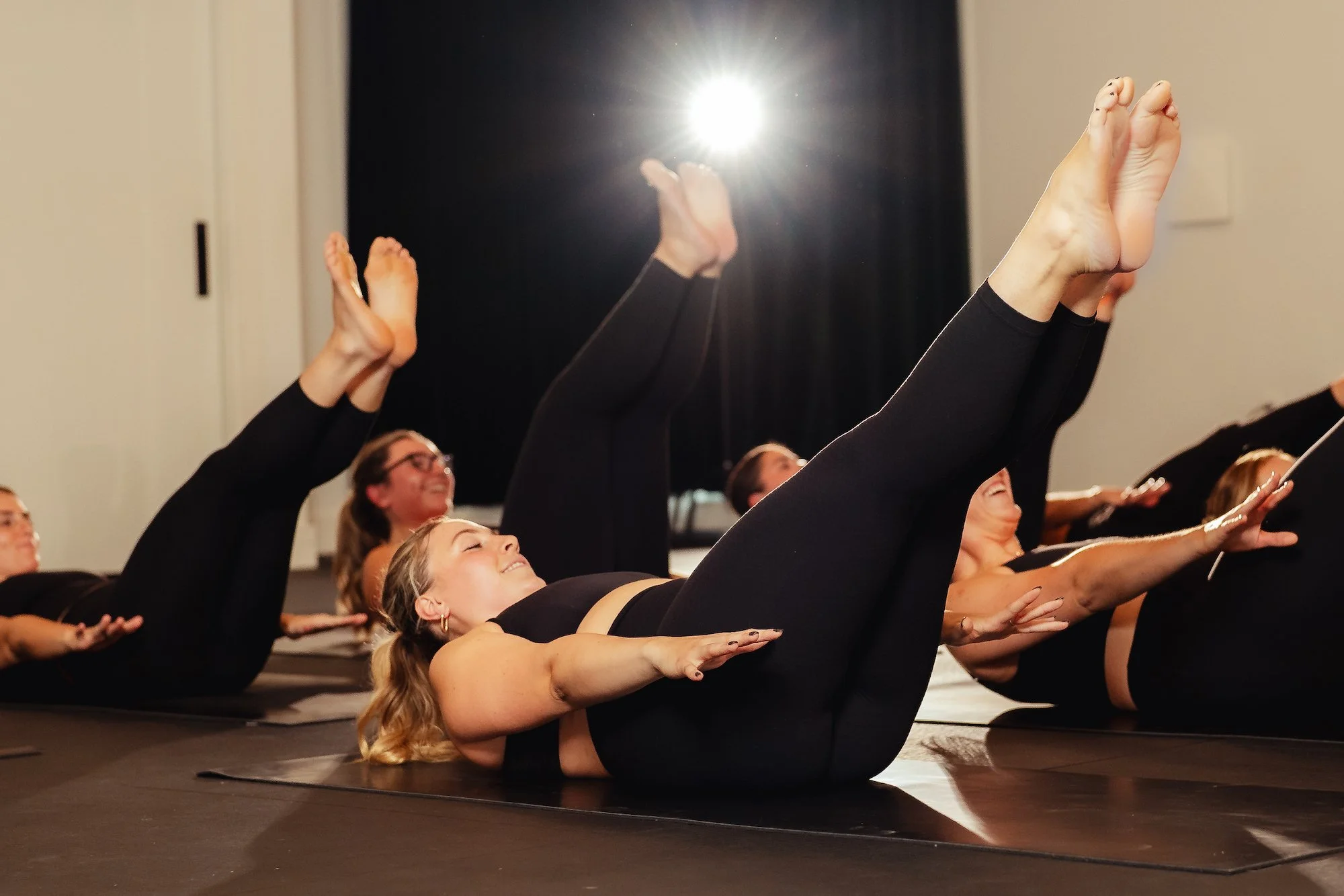
The heart of any Pilates class is intentional core engagement. Expect a mix of classic Pilates-inspired exercises—like variations of crunches, leg lifts, planks, and holds—designed to strengthen deep abdominal muscles and improve overall stability.
You’ll likely feel muscles you don’t usually notice, and that’s on purpose. Instructors often cue small, precise adjustments that make movements more effective (and more challenging) without increasing impact.
Glutes, Legs & Posterior Chain
Most classes include targeted work for glutes, hips, and back of the body. This may involve:
Bridges and glute-focused pulses
Plank-based leg work
Controlled extensions and holds
These sections help build balance and strength while supporting posture and joint health.
Athletic Intervals & Elevated Heart Rate
Many Hot Pilates classes weave in short bursts of higher intensity, similar to HIIT—but without jumping or sprinting. Squats, lunges, or faster-paced sequences may appear briefly to elevate the heart rate before returning to controlled strength work.
While some classes might offer jumping variations, a well-sequenced Hot Pilates class will always include low-impact modifications.
What to Bring to a Hot Pilates Class
A little preparation goes a long way in a heated class. Having the right gear helps you stay focused on your workout so you’re not distracted by slipping, overheating, or dehydration.
Here’s what you’ll want to bring (and why each matters).
A Yoga Mat & Grip Towel
Sweat is part of the experience. A standard yoga mat on its own can quickly turn into a slip-and-slide once the room heats up.
Most people place a grip towel directly over their mat. It helps absorb sweat and create traction so you feel more stable during planks, core work, and transitions.
If your studio offers mat or towel rentals, that’s a great option for your first class while you figure out what you prefer.
A Water Bottle (Bonus If You Include Electrolytes)
You’ll want water within reach throughout class. Small, frequent sips are better than chugging, especially in the heat.
Many people also find that adding electrolytes—like sodium, potassium, or magnesium—helps prevent headaches, dizziness, or post-class fatigue. This becomes even more important if you’re new to hot workouts or sweat heavily.
What to Wear (Hint: Cotton Is Not Your Friend)
Hot Pilates changes the rules when it comes to workout clothes.
Look for:
Moisture-wicking fabrics that dry quickly
Fitted clothes that won’t fall forward during planks
Supportive bottoms that stay in place when you move
Avoid cotton whenever possible since it traps moisture and gets heavy fast.
Bare feet are standard for most Hot Pilates classes unless otherwise noted.
How to Prepare Before Class
What you do before you walk into the studio can make or break your experience, especially your first few times.
Hydrate Early (Not All at Once)
Instead of trying to catch up right before class, focus on hydration throughout the day.
A simple guideline:
Start hydrating earlier than you think you need to
Add electrolytes if you tend to sweat a lot
Sip water before class, rather than chugging
Eat Light (And Give Yourself Time)
A heavy meal too close to class can feel uncomfortable in the heat. Aim for something light and easily digestible 1–2 hours beforehand, like fruit, yogurt, or a small snack with carbs and protein.
If you prefer fasted workouts, that’s okay too—just be mindful of energy levels, especially if it’s your first hot class.
Arrive a Little Early
Getting there 10–15 minutes early gives you time to:
Set up your mat and towel
Meet your instructor
Let your body start adjusting to the room
That small buffer can make the whole class feel more manageable.
Hydration & Safety: How to Get the Most out of Hot Pilates
Hot Pilates is meant to challenge you, but like any workout, it should never feel unsafe. Understanding how to hydrate properly and recognize your body’s signals helps you get the benefits of the workout without pushing past your limits.
The Hot Pilates Hydration Protocol
Hydration isn’t something you can fix during class. It starts well before you step into the studio.
The day before (or earlier in the day):
Aim to drink water consistently, not all at once. Clear or light-colored urine is a good general indicator that you’re hydrated.
1–2 hours before class:
Drink water and consider adding electrolytes. These help replace what you’ll lose through sweat and can prevent headaches or dizziness afterward.
During class:
Sip small amounts as needed. Chugging water can lead to nausea in the heat.
After class:
Replenish fluids and electrolytes. Plain water alone isn’t always enough after heavy sweating, especially if you plan to work out again later that day or the next.
What’s Normal vs. What’s Not
Some discomfort is expected in a heated workout—but there’s a difference between being challenged and being in trouble.
Normal sensations include:
Heavy sweating
Elevated heart rate
Muscle fatigue or shaking
Feeling warm or flushed
Signs to pause or rest include:
Lightheadedness or dizziness
Nausea
Chills or goosebumps
Sudden weakness or confusion
A pounding headache
If any of these show up, lying down and resting is the right call. Hot Pilates is about awareness and respecting your body, not pushing through warning signs.
Pace Is Part of the Practice
One of the most important skills in Hot Pilates is learning how to pace yourself. The heat amplifies effort, so slowing down, modifying movements, or taking breaks is not a setback, it’s smart training.
Instructors typically offer options for modifying or amping up throughout class. Using modifications helps you build consistency and avoid burnout, especially in your first few weeks.
Safety First, Always
If you have a medical condition that affects heat tolerance, blood pressure, or hydration—or if you’re returning after illness or injury—it’s a good idea to talk with your healthcare provider before starting Hot Pilates.
Hot Pilates Results & Benefits
Hot Pilates isn’t about overnight transformation, but consistency. The benefits tend to build over time as your body adapts to the heat, builds strength for the movements, and gets used to the pacing of the class.
Here’s what many people notice when they stick with it.
After the First Few Classes (Week 1–2)
Early on, the biggest changes are internal. Your body is learning how to manage heat, breath, and sustained muscle engagement all at once.
Common early benefits include:
Feeling challenged but energized after class
Increased awareness of your core and posture
Improved heat tolerance
A noticeable mood boost after workouts
You may also experience muscle soreness, especially in areas like the core, glutes, and hips. This is normal and often eases as your body adapts.
After 3–4 Weeks
With consistency, things start to click. Movements feel more familiar, the heat feels less overwhelming, and endurance improves.
Many people notice:
Stronger, more engaged core muscles
Better balance and stability
Increased stamina during class
Improved flexibility and mobility
This is often when people stop needing as many breaks, and instead start feeling more confident moving through sequences.
After 2–3 Months
Over time, the benefits of Hot Pilates become more visible and functional.
Common longer-term results include:
More muscle definition
Improved posture and alignment
Greater cardiovascular endurance
Better body awareness and movement control
Mentally, many people report feeling more grounded, focused, and resilient both in and out of class.
Long-Term Benefits With Consistency
When practiced regularly, Hot Pilates supports:
Sustainable strength and mobility
Injury prevention through improved stability
Stress relief and mental clarity
A positive relationship with movement
As with any workout, results depend on frequency, effort, recovery, and overall lifestyle. But Hot Pilates is designed to be something you can return to again and again without burning out.
How often should I do Hot Pilates?
For most people, 2–3 classes per week is a great starting point. This allows your body time to recover while adapting to the heat and strength demands.
As your endurance improves, some people increase to 4–5 classes per week, often rotating Hot Pilates with other formats like yoga or strength training.
Is Hot Pilates suitable for beginners?
Yes. Hot Pilates is accessible to beginners, especially when instructors offer clear cueing and modifications. The most important skill for beginners isn’t strength—it’s pacing.
Taking breaks, modifying movements, and resting on your mat are all encouraged, especially in your first few classes.
How hot is a Hot Pilates class?
Most Hot Pilates classes are heated to approximately 95–105°F. The exact feel can vary depending on whether the studio uses infrared or traditional HVAC heat.
If you’re new to heated workouts, it’s normal for the heat to feel intense at first. Heat tolerance usually improves after a few classes.
What should I eat before Hot Pilates?
Aim for a light, easily digestible snack 1–2 hours before class—something like fruit, yogurt, or toast with nut butter.
Avoid heavy meals too close to class, as heat and movement can make digestion uncomfortable. Some people prefer fasted workouts, but energy levels matter, especially if you’re a beginner.
Do I need to be flexible to do Hot Pilates?
Not at all. Flexibility develops over time, especially in a heated environment. Hot Pilates focuses more on strength, stability, and control than extreme ranges of motion.
You’ll work within your range and gradually build mobility as your muscles adapt.
How is Hot Pilates different from traditional Pilates?
Hot Pilates adds a heated environment, faster pacing, and often interval-style sequencing. This increases cardiovascular demand and intensity while maintaining Pilates’ low-impact foundation.
Traditional Pilates focuses more on precision and controlled strength without heat.